Complete your classes from anywhere through our interactive programs, designed to fit around work, school, or other commitments.
Small classes taught by professionals
Courses are limited to small class sizes so you can learn directly from instructors with real-world experience working in zoos, aquariums, and wildlife facilities.
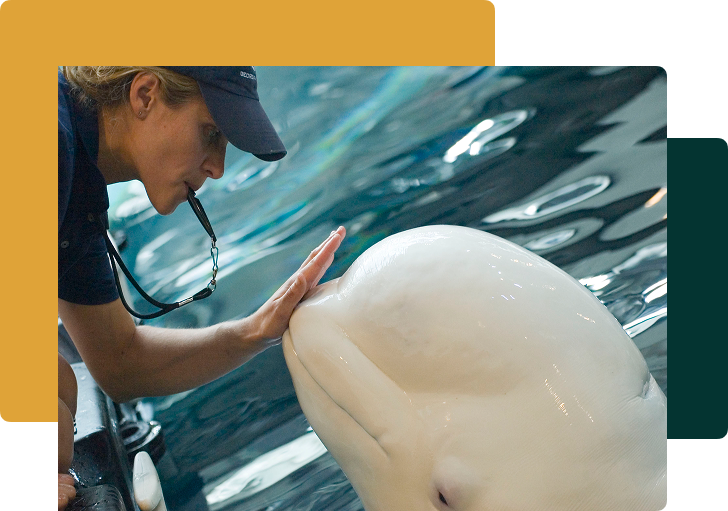
Field experience with real animals
Apply what you learn by completing a hands-on field experience with animals at an approved facility in your area.
Request Additional Program Information
Tell us where to send your program brochure, and we’ll email you the full details including courses, career paths, and how to get started.
Is This Program Right for You?
This Program May Be a Good Fit If You:
Want to work professionally with zoo or aquarium animals
Are passionate about wildlife conservation
Are considering a career as a zookeeper, aquarist, or wildlife educator
Want structured training from professionals already working in the field
Working in zoos and aquariums requires a strong understanding of animal behavior, care, and conservation. ABI’s Zookeeping Program is designed to help students build the knowledge and practical skills used by professionals working with animals in zoological and conservation environments.
Animal Behavior & Enrichment
Learn how animals think, learn, and interact with their environment. Students study behavior analysis and enrichment strategies used by zookeepers to promote physical and mental wellbeing for animals in their care.
Animal Health, Nutrition & Welfare
Understand the principles of animal care, including diet planning, preventative health practices, and welfare considerations for a wide range of species commonly found in zoos & aquariums.
Habitat Design & Environmental Management
Explore how animal habitats are designed and maintained to support natural behaviors, safety, and long-term health. Students learn how environmental enrichment and habitat design work together to create engaging, species-appropriate environments.
Zoo Operations & Animal Handling Principles
Gain insight into the daily responsibilities of animal care professionals, including safety procedures, animal handling considerations, and the operational structure of zoos, aquariums, and wildlife facilities.
In addition to online coursework, students complete a hands-on field experience with animals at a facility in their area. This allows students to apply what they’ve learned while gaining valuable real-world experience working with animals.
Learn From Experienced Professionals
All courses are taught by instructors with professional experience in fields such as:
Zookeeping
Wildlife rehabilitation
Animal training
Conservation education
Animal behavior and welfare
Their real-world insights help students understand both the science behind animal care and the practical realities of working with animals professionally.
Flexible Online Learning Designed for Animal Careers
Structured 10-week courses
Fully online classroom environment
Small class sizes (maximum of 12 students)
Field experience completed with local organizations
Partnered with the Association of Zoos & Aquariums (AZA)
Accredited by the International Association for Continuing Education & Training
Students from across the U.S. and internationally complete the program while balancing work and personal commitments.
Zookeeper
Zookeepers are responsible for the daily care of animals in zoological parks and wildlife facilities. Their responsibilities may include preparing diets, maintaining habitats, observing animal behavior, providing enrichment activities, and assisting with animal health monitoring. Zookeepers play a vital role in supporting animal welfare and conservation programs.
Aquarist
Aquarists are responsible for the care and management of aquatic animals in aquariums, marine parks, and research facilities. Their responsibilities may include maintaining water quality, preparing specialized diets, monitoring animal health and behavior, and supporting breeding and conservation programs. Aquarists play a key role in ensuring the wellbeing of marine life and educating the public about aquatic ecosystems.
Animal Care Specialist
Animal Care Specialists support the daily care and wellbeing of animals in a variety of settings, including zoos, sanctuaries, wildlife rehabilitation centers, and research facilities. Their responsibilities may include feeding, cleaning habitats, monitoring health and behavior, and assisting with enrichment and training activities. Animal Care Specialists are essential in maintaining safe, clean, and enriching environments for animals.
Zoo Education Programs
Professionals working in Zoo Education Programs focus on educating the public about animals, conservation, and environmental stewardship. Their responsibilities may include developing educational materials, leading tours or presentations, and engaging with visitors of all ages. These roles help bridge the gap between animal care and public awareness, inspiring others to support wildlife conservation efforts.
Building Experience for Competitive Careers
Careers working with zoo and aquarium animals are rewarding but often competitive. Many positions require both formal education and hands-on experience working with animals.
ABI’s program is designed to help students begin building that foundation by combining structured academic training with practical field experience, preparing them to pursue opportunities in zoo and aquarium environments. Upon graduating, students may begin using the designation CZKP, Certified Zookeeping Professional. This is a credential that sets you apart from the competition and demonstrates your commitment to ongoing education.
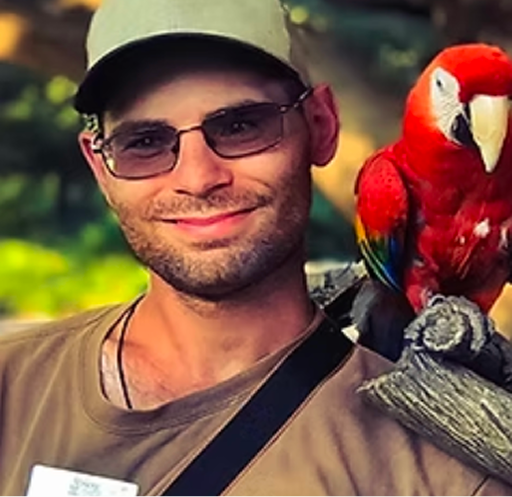
I was looking for a program with a Zoo & Aquarium focus to better compliment my Bachelor’s degree in Biology and steer me towards exotic animal husbandry – that’s when I found the Animal Behavior Institute. I knew that I needed to invest a bit more into myself, fill-in some knowledge gaps, sharpen some old skills, and build some new ones as well if I wanted to gain a foothold and get into the zoological field.
The coursework has allowed me to go one step further and learn from in-field professors offering a large base of expertise and experiences across multiple disciplines in animal husbandry and management. They have given me a stronger understanding of disciplines that I once considered weaknesses.
Take the First Step Toward a Career in Zookeeping!
Tell us about your goals and we’ll help you determine if the Zookeeping Program at Animal Behavior Institute is the right fit for you.
.png?width=512&height=679&name=Animal%20Behavior%20%26%20Enrichment%20(1).png)
.png?width=512&height=274&name=Header%20Image%20(4).png "Header Image (4)")